What Are the Types of Travelling? A Complete Guide with Tips and Examples
Published: 21 May 2026
Guys, I know all of you know what travelling is. But many people feel confused about one thing. Are there different types of travelling or not? The direct answer is yes. Different types of travelling exist, and each type has a different meaning and purpose. In this guide, I will explain all the types of travelling in detail, one by one.
So, without further ado, let’s dig in.
Types vs. Modes: Confused? Let’s Clear It First
Many people mix up types of travelling with modes of travel.
- Types of travelling explain the purpose, style, or experience of your journey, like solo travel, adventure travel, or leisure travel.
- Modes of travel explain the way you move from one place to another, like by car, plane, train, or ship.
Now that we have cleared this confusion, let’s cover all the types of travel in this guide.
What Are the Types of Travelling?
Okay, guys, here is a list of all the primary types of travel that are available:
- Solo Travel
- Group Travel
- Family Travel
- Couple Travel
- Backpacking Travel
- Adventure Travel
- Leisure Travel
- Luxury Travel
- Budget Travel
- Cultural Travel
- Religious Travel
- Medical Travel
- Educational Travel
- Wildlife Travel
- Eco Travel
- Volunteer Travel
- Digital Nomad Travel
- Slow Travel
- Sustainable Travel
- Experiential Travel
- Wellness Travel
- Festival Travel
- Heritage Travel
- Long Term Travel
- Short Term Travel
Let us learn about each type in detail.
1. Solo Travel
Solo travel means travelling alone without anyone else. It gives you the freedom to explore at your own pace. You can plan your trip exactly the way you want. Solo travel helps you discover yourself and build confidence.
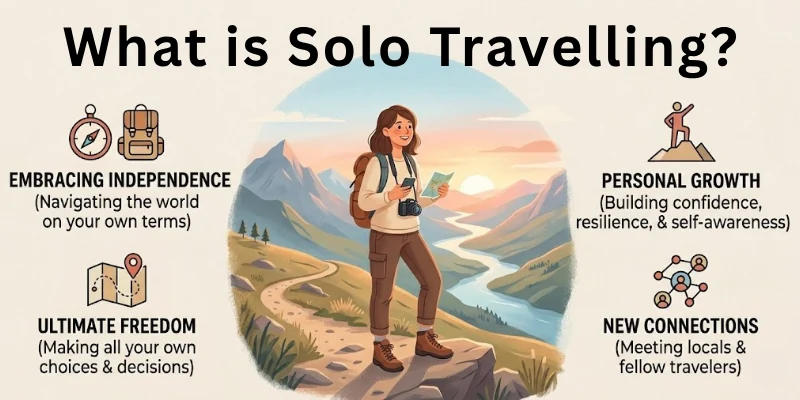
You meet new people and learn about different cultures. It can be peaceful, fun, and adventurous at the same time. Travelling alone teaches independence and problem-solving skills.
Interesting Points:
- You make your own schedule without compromise.
- Easier to explore offbeat or hidden places.
- Opportunities to meet locals and other solo travellers.
- Helps in personal growth and self-confidence.
2. Group Travel
Group travel is going with friends, family, or even strangers in an organized group. It is fun because you share experiences with others. You don’t have to plan everything if it’s a guided tour. Group travel can save money through shared costs.
It feels safer to travel with a group. The energy of the group makes the trip more lively and exciting. You also get a chance to make new friends on the way.
Interesting Points:
- Cost sharing makes it budget-friendly.
- Guides help plan and organize activities.
- Group games and activities increase fun.
- Memories are created together and last forever.
3. Family Travel
Family travel is about spending quality time with your loved ones. It strengthens family bonds and relationships. Parents and kids explore new places together and enjoy shared experiences. Trips are planned to suit everyone’s comfort and interests.
Safety and convenience are important in family travel. You create memories that everyone remembers for a lifetime. Kids also learn about culture, history, and nature outside of school.
Interesting Points:
- Fun activities for all ages.
- Family-friendly accommodations and attractions.
- Educational for children in a fun way.
- Strengthens relationships through shared experiences.
4. Couple Travel
Couple travel is for partners who want to explore the world together. It strengthens relationships through shared adventures. Couples can enjoy romantic moments in beautiful locations. Trips can be relaxing, fun, or adventurous depending on preference.
You get to spend quality time without daily distractions. It helps in building trust and understanding each other better. Couple travel often creates memories that last a lifetime.
Interesting Points:
- Perfect for romantic experiences.
- Explore new destinations together.
- Great for celebrating anniversaries or special occasions.
- Helps strengthen emotional bonds.
5. Backpacking Travel
Backpacking travel is for adventurous and budget-conscious travellers. You carry your essentials in a backpack and move freely. It allows flexibility and the chance to explore hidden places. Accommodation is often hostels or budget hotels.
Backpacking is about adventure, learning, and connecting with other travellers. It teaches survival skills and adaptability. You experience the world in a raw, authentic way.
Interesting Points:
- Very budget-friendly for long trips.
- Meet like-minded travellers along the way.
- Discover offbeat and less crowded locations.
- Learn to live with essentials and enjoy simplicity.
6. Educational Travel
Educational travel is focused on learning while exploring new places. Students, teachers, or learners travel to study cultures, history, or nature. It often includes field trips, workshops, or study tours. Educational travel makes learning interesting and practical.
You gain knowledge beyond books. It is ideal for students and lifelong learners. Educational trips often inspire curiosity and creativity.
Interesting Points:
- Learn history, science, or culture practically.
- Participate in workshops or study tours.
- Travel becomes a fun learning experience.
- Inspires curiosity and skill development.
7. Leisure Travel
Leisure travel focuses on relaxation, enjoyment, and fun. You visit places to unwind and escape daily stress. Popular options include beaches, resorts, and cities with attractions. Leisure travel gives time for sightseeing, shopping, and trying local cuisine.
It is ideal for short breaks or long vacations. The main goal is comfort, recreation, and pleasure. It helps you recharge and enjoy life fully.
Interesting Points:
- Perfect for stress relief and relaxation.
- Try local food, activities, and experiences.
- Comfortable travel with no rush or pressure.
- Ideal for rejuvenation and entertainment.
8. Luxury Travel
Luxury travel focuses on comfort, exclusivity, and premium experiences. You stay in high-end hotels or resorts and enjoy first-class services. It is perfect for those who want a stress-free and stylish trip. Luxury travel often includes fine dining, private tours, and unique experiences.
It allows you to explore destinations with comfort and elegance. Every detail of the trip is carefully planned for convenience. Luxury travel combines relaxation with adventure in a high-standard way.
Interesting Points:
- Stay in 5-star hotels or resorts.
- Enjoy gourmet meals and private experiences.
- Personalized services make travel effortless.
- Ideal for celebrating special occasions.
9. Budget Travel
Budget travel is for those who want to explore the world without spending much. You focus on affordable accommodation, transport, and food. It requires careful planning and smart choices. Budget travel encourages discovering local experiences and hidden gems.
It teaches you to enjoy life without luxury. You can travel more frequently if you plan wisely. Budget travel is practical, fun, and fulfilling.
Interesting Points:
- Save money with hostels or guesthouses.
- Explore local street food and markets.
- Affordable travel for longer durations.
- Teaches smart planning and budgeting.
10. Cultural Travel
Cultural travel is about exploring the history, traditions, and art of a place. You visit museums, monuments, festivals, and local markets. It helps you understand the culture of different regions. Cultural travel makes your trips educational and meaningful.
You experience local music, dance, and cuisine. It is perfect for travellers who love learning and exploring traditions. You gain a deeper connection with the places you visit.
Interesting Points:
- Attend local festivals and events.
- Visit museums, heritage sites, and art galleries.
- Learn about local traditions and history.
- Makes your travel more meaningful and educational.
11. Religious Travel
Religious travel is about visiting sacred places and participating in spiritual activities. People travel to temples, mosques, churches, or pilgrimage sites. It strengthens faith and provides peace of mind. Religious travel can be personal, family, or group-oriented.
It often includes rituals, prayers, and cultural experiences. You gain spiritual insight and understanding. Religious travel is both inspiring and calming.
Interesting Points:
- Visit famous pilgrimage destinations.
- Participate in spiritual rituals and prayers.
- Learn about religious history and traditions.
- Offers inner peace and personal reflection.
12. Medical Travel
Medical travel is for people seeking healthcare in another city or country. It includes treatments, surgeries, or wellness therapies. Medical travel often combines healthcare with a short vacation. People choose it for better quality, affordability, or specialized treatments.
It requires careful planning for hospitals, travel, and recovery. Medical travel ensures both health improvement and relaxation. It is becoming popular worldwide for international patients.
Interesting Points:
- Access to specialized or affordable medical treatments.
- Combine healthcare with a small leisure trip.
- Travel with peace of mind for wellness.
- Learn about health facilities in other countries.
13. Adventure Travel
Adventure travel is for thrill-seekers who love exciting activities. It includes trekking, rafting, skiing, or bungee jumping. You explore nature while challenging yourself physically and mentally. Adventure travel keeps you fit and active.
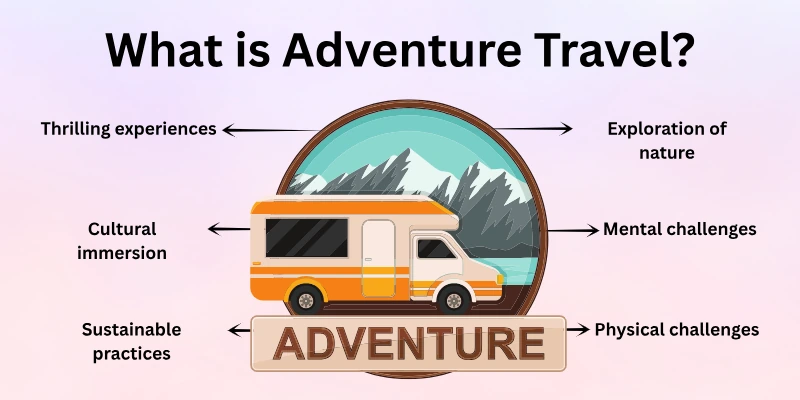
It often takes you to mountains, rivers, forests, or remote areas. You learn new skills and overcome fears. Adventure travel gives unforgettable stories and experiences.
Interesting Points:
- Builds courage and self-confidence.
- Perfect for adrenaline and thrill lovers.
- Keeps you active and healthy.
- Experience nature closely and uniquely.
14. Wildlife Travel
Wildlife travel is for nature and animal lovers. You visit forests, national parks, or safaris to see animals in their natural habitat. It helps you appreciate nature and biodiversity. Wildlife travel often includes photography, trekking, or guided tours.
You learn about conservation and environmental protection. It is adventurous yet educational. Wildlife travel connects you with the beauty of nature.
Interesting Points:
- Spot wild animals in their natural habitat.
- Participate in safaris or nature trails.
- Learn about wildlife conservation.
- Experience adventure and education together.
15. Eco Travel
Eco travel focuses on sustainable and environmentally-friendly trips. You minimize your carbon footprint while exploring nature. Eco travel includes staying in eco-lodges, using local transport, and supporting local communities.
It teaches responsibility towards the planet. You explore nature responsibly and enjoy peaceful surroundings. Eco travel supports conservation and local culture. It combines adventure with sustainability.
Interesting Points:
- Stay in eco-friendly accommodations.
- Support local communities and small businesses.
- Reduce environmental impact while travelling.
- Enjoy peaceful and natural destinations.
16. Volunteer Travel
Volunteer travel is for people who want to give back while travelling. You participate in community service, teaching, or environmental projects. It combines travel with meaningful work. Volunteer travel helps local communities and creates a positive impact.
You gain new skills and experiences while exploring new places. It is fulfilling and rewarding. Volunteer travel teaches empathy and global responsibility.
Interesting Points:
- Help communities and local projects.
- Learn new skills and experience meaningful work.
- Travel with purpose and impact.
- Creates unforgettable and rewarding memories.
17. Digital Nomad Travel
Digital nomad travel is for people who work remotely while exploring the world. You can work from beaches, cafes, or co-working spaces. It combines work, travel, and flexibility. Digital nomads enjoy freedom to explore new cities anytime.
It requires good planning and time management. You meet other digital nomads and build networks. This type of travel is modern, flexible, and adventurous.
Interesting Points:
- Work while travelling anywhere in the world.
- Meet like-minded remote workers.
- Flexibility to travel and work freely.
- Explore multiple destinations without quitting your job.
18. Slow Travel
Slow travel is about exploring a place deeply at a relaxed pace. Instead of rushing, you spend more time in one location. It helps you connect with local life, culture, and people. Slow travel reduces stress and makes the experience meaningful.
You enjoy each moment, local food, and surroundings. It is perfect for those who want quality over quantity. Slow travel teaches mindfulness and appreciation of life.
Interesting Points:
- Spend more time in each destination.
- Connect deeply with local culture and people.
- Travel at your own pace without rush.
- Enjoy a meaningful and stress-free experience.
19. Sustainable Travel
Sustainable travel focuses on reducing the impact on the environment while exploring new places. You choose eco-friendly transportation, accommodations, and activities. Sustainable travel supports local communities and preserves natural resources.
It encourages responsible behaviour as a traveller. You can enjoy nature, culture, and adventure without harming the planet. Sustainable travel is both enjoyable and ethical. It helps protect the world for future generations.
Interesting Points:
- Stay in eco-friendly hotels or lodges.
- Support local businesses and artisans.
- Reduce waste and carbon footprint while travelling.
- Learn to travel responsibly and ethically.
20. Experiential Travel
Experiential travel is about experiencing life like a local in the places you visit. You try hands-on activities, local food, and traditions. It goes beyond sightseeing and focuses on authentic experiences. You connect with locals and understand their way of life.
Experiential travel is memorable and unique. It often includes workshops, cultural activities, and guided experiences. This type of travel creates deep and personal memories.
Interesting Points:
- Participate in local cooking or art classes.
- Live like a local and explore traditions.
- Create unforgettable and unique experiences.
- Go beyond regular tourist activities.
21. Wellness Travel
Wellness travel is about improving your physical and mental health while travelling. You visit spas, yoga retreats, or wellness resorts. It helps you relax, recharge, and focus on self-care.
Wellness travel often includes meditation, healthy food, and nature activities. It reduces stress and boosts energy levels. You combine travel with health benefits. Wellness travel is perfect for peace, balance, and rejuvenation.
Interesting Points:
- Visit yoga retreats or meditation centres.
- Enjoy spa treatments and healthy cuisine.
- Focus on mental and physical wellness.
- Recharge your mind, body, and soul.
22. Festival Travel
Festival travel is about visiting a place during a local festival or celebration. It allows you to enjoy music, dance, food, and cultural events. Festivals make travel lively and exciting. You experience the local spirit and traditions up close.
Festival travel often creates unforgettable memories. It is fun for groups, couples, and families. You learn more about a place by joining its celebrations.
Interesting Points:
- Attend local festivals, carnivals, or fairs.
- Enjoy traditional music, dance, and food.
- Experience the culture and community spirit.
- Create colorful and lively memories.
23. Heritage Travel
Heritage travel focuses on exploring historical and cultural landmarks. You visit monuments, castles, temples, and ancient towns. It teaches history and preserves cultural knowledge. Heritage travel is educational and fascinating.
You gain insight into the past and traditions. It is perfect for history lovers and culture enthusiasts. Heritage travel combines learning, sightseeing, and photography.
Interesting Points:
- Explore historical monuments and sites.
- Learn about local culture, traditions, and history.
- Capture the beauty of heritage locations.
- Educational and enriching experience.
24. Long Term Travel
Long term travel means travelling for weeks, months, or even years. It allows you to explore multiple destinations deeply. You can immerse yourself in local culture and lifestyle. Long term travel requires careful planning for budget and logistics.
It is ideal for students, digital nomads, or adventure seekers. You learn life skills, independence, and adaptability. Long term travel often changes your perspective about life and the world.
Interesting Points:
- Explore many destinations over time.
- Deeply experience local culture and lifestyle.
- Learn independence and adaptability.
- Great for adventure and personal growth.
25. Short Term Travel
Short term travel is for quick trips, usually a few days or a week. It is perfect for weekends or short breaks from work or studies. You can visit nearby cities, resorts, or attractions. Short term travel helps you refresh and escape routine.
It requires minimal planning and is budget-friendly. Even a short trip can create memorable experiences. Short term travel is easy, fun, and convenient for everyone.
Interesting Points:
- Perfect for weekend getaways.
- Minimal planning and budget-friendly.
- Quick escape from routine life.
- Even a few days can create lasting memories.
Which Type of Travelling Is Best for You?
Choosing the best type of travelling depends on your interests, budget, and goals. Some people love adventure, while others prefer relaxation or luxury.
Solo travellers enjoy independence and self-discovery. Families or couples may look for comfort, safety, and shared experiences. Budget travellers focus on affordability, while luxury travellers want premium experiences.
Adventure lovers seek thrill, and cultural travellers enjoy learning about history and traditions. By understanding your preferences, you can pick the type that makes your trip enjoyable, memorable, and stress-free.
Quick Tips to Choose Your Travel Type:
- Know Your Goal: Are you travelling for adventure, relaxation, learning, or wellness?
- Consider Your Budget: Some types are budget-friendly, while others require more money.
- Time Available: Short term, long term, or weekend trips can affect your choice.
- Company: Are you travelling alone, with family, friends, or as a couple?
- Experience Desired: Do you want luxury, culture, nature, or personal growth?
This way, you can plan a trip that perfectly fits your style and needs.
Final Thoughts on What Are the Types of Travelling?
So guys, in this guide we have covered all the main types of travelling in detail. We started from solo travel, group travel, and family and couple travel, and then explored backpacking, adventure, leisure, and many more.
We also discussed luxury, budget, cultural, religious, medical, educational, wildlife, eco, volunteer, digital nomad, slow, sustainable, experiential, wellness, festival, heritage, long-term, and short-term travel.
Now it’s time to say goodbye! If we summarise as a whole, in this guide you have learned what the types of travelling are in great detail, along with some extra tips and interesting points for each.
Quick Tip Regarding Types of Travelling:
- Always choose the type of travelling that fits your interests, budget, and goals.
- Mix different types of travel to get a richer experience.
- Keep an open mind and try something new every time you travel.
Travelling is all about exploration, fun, and learning. So plan well, enjoy every moment, and keep exploring the world. Safe travels and goodbye!
FAQs
Here are some of the most frequently asked questions related to types of travel:
There are many types of travelling, including solo, group, family, couple, backpacking, adventure, leisure, luxury, budget, cultural, and more. Each type has its own purpose and style. Some focus on relaxation, while others focus on adventure or learning. Choosing the right type depends on your interests, budget, and goals.
Solo travellers usually enjoy freedom and self-discovery. Types like solo travel, backpacking, adventure, and slow travel are ideal. These types allow flexibility, independence, and personal growth. Solo trips also help you meet new people and explore at your own pace.
Family travel is best for trips that focus on comfort, safety, and shared experiences. Types like family travel, leisure travel, and festival travel are ideal. These trips include activities for all ages and help strengthen family bonds. Safety and convenience are very important for family trips.
Adventure travel includes activities that are thrilling and physically challenging. Examples are trekking, rafting, skiing, and bungee jumping. It helps you explore nature and push your limits. Adventure travel is perfect for those who love excitement and learning new skills.
Budget travel focuses on saving money while exploring new places. You can choose budget accommodations, local food, and affordable transportation. Backpacking and short-term trips are often the best options. Budget travel allows you to travel more frequently without spending much.
Cultural travel is about exploring the history, traditions, art, and lifestyle of a place. You visit museums, monuments, festivals, and local markets. It helps you understand and appreciate different cultures. Cultural travel makes your trip educational and memorable.
Digital nomad travel is when you work remotely while travelling. You can work from beaches, cafes, or co-working spaces anywhere in the world. It gives freedom to explore while earning or working online. This type of travel requires good planning and time management.
Eco or sustainable travel focuses on reducing your impact on the environment. You stay in eco-friendly accommodations, use local transport, and support local communities. It encourages responsible behaviour while enjoying nature and culture. Sustainable travel helps preserve the planet for future generations.
Yes, couples can enjoy adventure travel together. Activities like trekking, rafting, or safaris can be fun and thrilling for two. It also helps build trust and creates shared memories. Couples can combine adventure with leisure for a balanced experience.
Choosing the right type depends on your interests, budget, time, and company. Solo travellers, families, couples, or groups have different preferences. Think about what you want to experience, adventure, relaxation, culture, or learning. Picking the right type makes your trip enjoyable, memorable, and stress-free.



- Be Respectful
- Stay Relevant
- Stay Positive
- True Feedback
- Encourage Discussion
- Avoid Spamming
- No Fake News
- Don't Copy-Paste
- No Personal Attacks
- Be Respectful
- Stay Relevant
- Stay Positive
- True Feedback
- Encourage Discussion
- Avoid Spamming
- No Fake News
- Don't Copy-Paste
- No Personal Attacks
