What Is Family Travel? Types, Benefits, Planning Tips & FAQs
Published: 22 May 2026
What is family travel, and why do people talk about it so much these days? Many people feel confused about this term and are not sure what it really means.
Calm down, you are in the right place. In this guide, you will clearly learn what family travel is, how it works, and why it matters for families of all sizes. Everything is explained in simple words so anyone can understand it easily.
So what are you waiting for, let’s dive in together and cover this topic in full detail.
What is Family Travel?
First, let’s start with the definition of family travel.
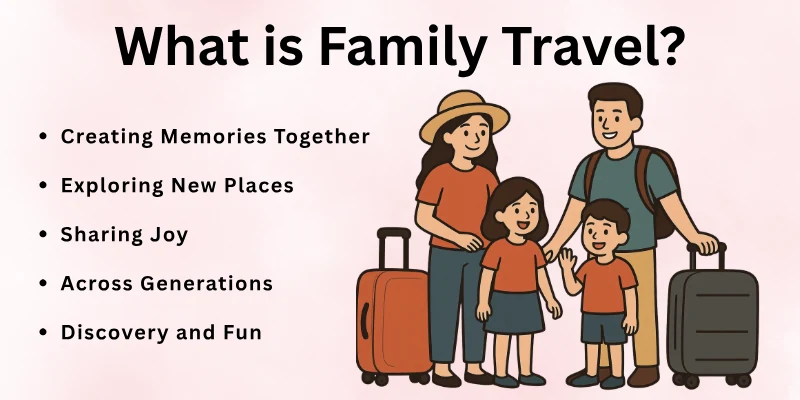
Family travel means going on a trip with your family members instead of traveling alone or with friends. It usually includes parents, children, and sometimes grandparents or close relatives. The main purpose of family travel is to spend quality time together while exploring new places. It helps families relax, connect, and create lasting memories during the journey.
Types of Family Travel
Do you know there are different types of family travel too? Families travel for many reasons, and each type of trip has its own purpose and experience.
Below are the most common types of family travel:
- Weekend family trips: These are short trips taken for one or two days. Families often choose nearby places to relax and spend time together. These trips are easy to plan and do not need a big budget.
- Holiday and vacation travel: This type of family travel happens during school holidays or long breaks. Families usually travel for many days and visit popular destinations. It allows everyone to relax and enjoy quality time without daily stress.
- Adventure family travel: Adventure family travel includes activities like hiking, camping, or outdoor sports. It is great for families who love excitement and nature. This type of travel helps build confidence and teamwork.
- Cultural and educational trips: These trips focus on learning new things while traveling. Families visit museums, historical places, and cultural sites. Children learn about history, traditions, and different lifestyles.
- Visiting relatives and family reunions: This type of family travel is done to meet relatives or attend family gatherings. It helps maintain strong family bonds and connections. Such trips are more about togetherness than sightseeing.
Benefits of Family Travel
Do you know that family travel offers many benefits for both parents and children? Traveling together helps families grow closer and enjoy meaningful moments. Below are the main benefits of family travel:
- Stronger family bonding: Family travel allows everyone to spend more time together. Shared activities help build trust and understanding. It brings family members closer.
- Creates lifelong memories: Traveling as a family creates moments that are remembered for years. Children often remember trips more than gifts. These memories stay with the family forever.
- Learning for children: Family travel helps children learn outside the classroom. They experience new cultures, places, and people. This improves their knowledge and confidence.
- Reduces stress and improves mood: Traveling helps families take a break from daily routines. It relaxes the mind and reduces stress. Everyone returns feeling refreshed.
- Improves communication and teamwork: Families plan, travel, and solve small problems together. This improves communication between parents and children. It also teaches teamwork in a natural way.
Challenges of Family Travel
Do you know that family travel also comes with some challenges? Traveling with different age groups needs extra planning and care.
Below are the common challenges of family travel:
- Budget management: Family travel can be expensive due to tickets, hotels, and food. Managing costs for everyone is not always easy. Proper planning helps control expenses.
- Managing different age needs: Children, adults, and elders have different needs and energy levels. Keeping everyone comfortable can be challenging. It requires patience and balance.
- Safety and health concerns: Parents must think about safety at all times. Health issues, medicines, and emergencies need preparation. This adds extra responsibility during travel.
- Packing and organization: Packing for a family takes more time and effort. Forgetting important items can cause stress. Organized packing makes the trip smoother.
- Time and schedule management: Family trips often run on tight schedules. Delays and tiredness can affect plans. Flexibility is important to enjoy the journey.
How to Plan a Family Trip
A well-planned trip ensures everyone has fun and stays comfortable. Here are simple steps to plan a family trip:
- Choose a family-friendly destination: Pick a place that offers activities for all ages. Consider safety, convenience, and interests. A good destination keeps everyone happy.
- Set a travel budget: Decide how much you can spend on the trip. Include costs for travel, accommodation, food, and activities. A budget helps avoid stress during the trip.
- Plan accommodation and transport: Book hotels or rentals suitable for families. Choose transportation that is safe and comfortable. Early planning saves money and effort.
- Pack essentials for all ages: Make a checklist for clothes, medicines, and travel documents. Don’t forget entertainment for kids. Proper packing makes the trip smooth.
- Create a flexible itinerary: Plan activities, but leave room for rest and spontaneity. Avoid over-scheduling to prevent stress. A flexible plan keeps the trip enjoyable for everyone.
Best Destinations for Family Travel
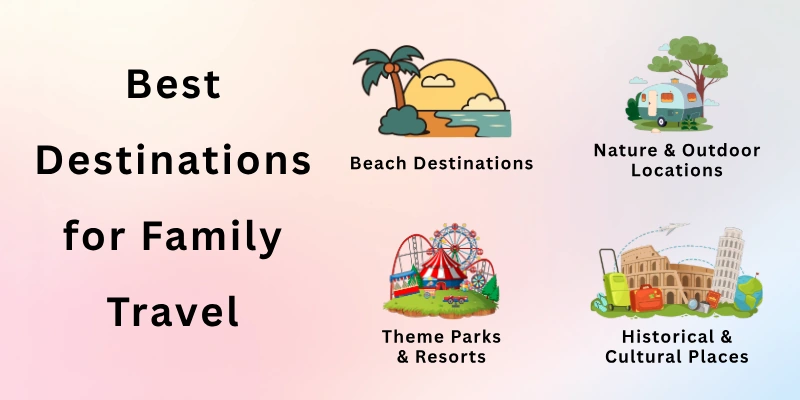
Choosing the right place makes the experience fun and memorable for everyone. Here are some of the best types of destinations for family travel.
- Beach destinations: Beaches are great for relaxing and playing together. Families can enjoy swimming, sand games, and picnics. Beaches are suitable for both children and adults.
- Theme parks and resorts: Theme parks offer rides and attractions for all ages. Resorts often have family-friendly activities and facilities. These places are full of fun and entertainment.
- Nature and outdoor locations: Parks, mountains, and forests provide adventure and fresh air. Families can hike, camp, or have a picnic. Outdoor trips help children connect with nature.
- Historical and cultural places: Visiting museums, monuments, and cultural sites is educational. Children learn about history and traditions while having fun. These trips are both enjoyable and informative.
Family Travel Tips for a Smooth Experience
Do you guys know that a few simple tips can make family travel easier and more enjoyable? Following these tips helps avoid stress and ensures everyone has fun. Here are some useful family travel tips:
- Involve everyone in planning: Let each family member share ideas and preferences. It makes everyone feel included and excited. Planning together reduces conflicts during the trip.
- Keep travel schedules flexible: Avoid strict schedules that may cause stress. Allow time for rest and spontaneous activities. Flexibility keeps the trip fun for all ages.
- Pack smart and light: Bring only essentials to avoid heavy luggage. Use packing lists for clothes, medicines, and entertainment. Smart packing saves time and energy.
- Focus on safety and comfort: Always check travel safety measures and health needs. Keep important items like first-aid and documents handy. Comfort and safety make the journey worry-free.
- Engage children during travel: Keep kids entertained with games, books, or music. Short breaks during long journeys help avoid boredom. Happy children make the trip enjoyable for the whole family.
Family Travel vs Other Types of Travel
Each travel style has its own purpose and experience. Here’s a simple comparison to help you understand.
- Family travel vs solo travel: Solo travel is about personal freedom and self-discovery. Family travel focuses on bonding, shared experiences, and caring for everyone’s needs. The pace is usually slower and more planned.
- Family travel vs group travel: Group travel includes friends or organized groups with common interests. Family travel is more personal and focused on close family members. It allows flexibility according to family preferences.
- Family travel vs couple travel: Couple travel focuses on romance and privacy. Family travel includes children or elders, so activities suit all ages. It emphasizes learning, fun, and togetherness rather than romance.
Who Should Consider Family Travel?
Traveling together can bring joy and memories for everyone. Here are the families who should consider family travel.
- Families with young children: Young children benefit from shared experiences and learning through travel. Trips help them explore new places safely with parents. It also strengthens the parent-child bond.
- Families with teenagers: Teenagers enjoy adventure and cultural experiences. Family trips give them independence while keeping them supervised. It helps improve communication and understanding.
- Multi-generation families: Grandparents, parents, and children can travel together. These trips create special memories across generations. Everyone learns from each other’s experiences.
- First-time traveling families: Families who are traveling together for the first time can plan carefully to enjoy a smooth trip. It helps them discover what works best for everyone. Early trips set a foundation for future family travel.
Final Thoughts
So guys, it’s time to say goodbye to you, but before that, let’s quickly wrap up what we learned. In this guide on what is family travel, we have covered its definition, types, benefits, challenges, planning tips, best destinations, and who should consider it.
Personally, I believe that family travel is one of the best ways to create lifelong memories and strengthen bonds with your loved ones. Even a short trip can bring joy, learning, and fun for everyone. My advice is to start small, plan carefully, and focus on enjoying the moments together rather than perfecting every detail.
Don’t forget to check the FAQs below to clear any remaining doubts about family travel and make your next trip smooth and memorable.
FAQs
Here are some of the most commonly asked questions related to what is family travelling:
Family travel means going on trips with your family members, including parents, children, and sometimes grandparents. It focuses on spending quality time together while exploring new places. The main goal is bonding, learning, and having fun as a family.
Family travel helps strengthen relationships between family members. It creates shared memories and teaches children new experiences outside the classroom. It also reduces stress and improves overall happiness for everyone.
Family travel can include weekend trips, holiday vacations, adventure trips, cultural and educational visits, and visiting relatives or family reunions. Each type offers different experiences and benefits. Families can choose a type based on interests, age, and budget.
To plan a family trip, choose a family-friendly destination, set a clear budget, and book suitable accommodation. Pack essentials for all ages and create a flexible itinerary. Involving everyone in planning makes the trip more enjoyable.
Family travel can be challenging due to budget management, safety concerns, and catering to different age groups. Packing and organizing for everyone can also be difficult. Careful planning and flexibility help overcome these challenges.
The best destinations include beaches, theme parks, resorts, nature spots, and historical or cultural places. Choose destinations that offer activities for all ages. Safety, convenience, and fun should guide your selection.
Family travel helps children learn new skills, understand different cultures, and develop confidence. It also improves social skills and teamwork. Experiencing new environments enhances their learning outside school.
Yes, family travel can be planned on a budget. Look for deals on transportation, hotels, and attractions. Weekend trips or nearby destinations can also reduce costs while still offering fun experiences.
Families with young children, teenagers, or multi-generation members should consider family travel. First-time traveling families can also benefit from shared experiences. Anyone wanting to strengthen family bonds will enjoy it.
Involve everyone in planning, keep schedules flexible, and pack smart. Focus on safety, comfort, and fun activities suitable for all ages. Engaging children and allowing some spontaneous moments make trips memorable.




- Be Respectful
- Stay Relevant
- Stay Positive
- True Feedback
- Encourage Discussion
- Avoid Spamming
- No Fake News
- Don't Copy-Paste
- No Personal Attacks
- Be Respectful
- Stay Relevant
- Stay Positive
- True Feedback
- Encourage Discussion
- Avoid Spamming
- No Fake News
- Don't Copy-Paste
- No Personal Attacks
