How to Save Money While Travelling: Complete Budget Guide for Smart Travelers
Published: 20 May 2026
Travelling is exciting, but the expenses often scare people away from planning their dream trips. The truth is, you don’t need to be rich to explore new countries, meet new cultures, or enjoy new experiences; you just need to be smart with your spending.
Learning how to save money while travelling allows you to enjoy more destinations, stay longer, eat better, and reduce financial stress before, during, and after your trip.
Let’s dive in to cover all the ways to save money while traveling.
How to Save Money While Travelling
Here are some of the most effective ways on how to save money while travelling:
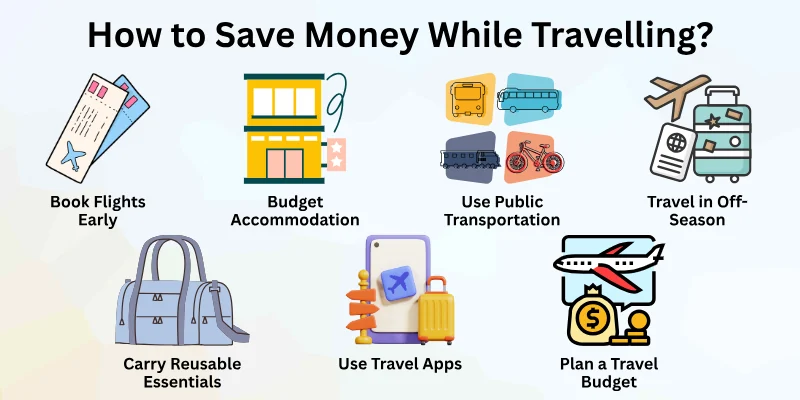
- Book Flights Early
- Choose Budget Accommodation
- Use Public Transportation
- Eat Like a Local
- Travel in Off-Season
- Plan a Travel Budget
- Use Travel Apps & Deal Platforms
- Avoid Excess Baggage
- Look for Free Attractions
- Carry Reusable Essentials
Now, let’s cover all in detail.
1. Book Flights Early
Booking flights early is one of the simplest ways to save money because flight prices increase closer to the departure date. When you plan ahead, you have more flexibility in choosing dates, airlines, and airports, which results in cheaper ticket options. Early planners also get access to flash sales, seasonal discounts, and fare alerts that last-minute travelers miss. This strategy is especially helpful for international trips or holiday seasons when airfare skyrockets.
Helpful tips:
- Search flights in incognito mode
- Subscribe to fare alert tools like Skyscanner or Google Flights
- Travel mid-week instead of weekends
- Avoid school holidays and peak travel months
2. Choose Budget Accommodation
Accommodation can eat up a huge portion of your travel budget if not managed wisely. Staying in guesthouses, hostels, or homestays instead of luxury hotels helps you save significantly without compromising comfort. Many budget accommodations offer kitchen access, free Wi-Fi, laundry services, and local tips, which makes them value-friendly for long stays. If you’re travelling with family or friends, shared apartments or Airbnb options are often cheaper than multiple hotel rooms.
Smart ways to save on stays:
- Compare prices on multiple booking platforms
- Book early for cheaper rates
- Stay slightly outside city centers
- Share rooms when travelling in groups
3. Use Public Transportation
Taxis and private cars are convenient but they quickly drain your travel budget. Using public transportation gives you a chance to experience local life, save money, and navigate cities like a true traveler. Metro trains, buses, trams, or shared transport options are reliable and budget-friendly in most major cities worldwide. Plus, many cities offer day passes or weekly travel cards that reduce daily commuting costs significantly.
Useful travel transport tips:
- Check if the city offers travel cards or passes
- Use navigation apps to avoid confusion
- Walk short distances to save money
- Try shared bikes or e-scooters in urban cities
4. Eat Like a Local
Dining at tourist-focused restaurants often costs double compared to local eateries. Eating like a local helps you save money while enjoying authentic flavors and cultural experiences. Street food markets, small family-run restaurants, and local food courts offer delicious meals without the fancy price tags. Another budget-friendly trick is to cook simple meals if your accommodation offers a kitchen.
Food saving hacks:
- Avoid restaurants near tourist attractions
- Eat street food and try local markets
- Buy snacks and drinks from supermarkets
- Cook breakfast or dinner occasionally
5. Travel in Off-Season
Peak seasons mean expensive flights, hotels, and crowded attractions. Traveling in off-season or shoulder season helps you save money while enjoying fewer crowds and better availability. Destinations like Europe or islands become much cheaper when school holidays and festivals are over. Many airlines and hotels also offer massive discounts to attract visitors during low season.
Benefits of off-season travel:
- Lower accommodation prices
- Cheaper flights and tours
- Less crowded attractions
- Better bargaining opportunities
6. Plan a Travel Budget
Budgeting sounds boring, but it is one of the most effective strategies for controlling travel expenses. When you know exactly how much you can spend, you make smarter decisions about food, activities, and transportation. A planned budget also prevents impulse spending and helps you save for emergencies. You can use apps or simple notebooks to track expenses daily.
Budget planning tips:
- Divide expenses into categories
- Keep emergency funds aside
- Track daily spending
- Adjust plans when overspending starts
7. Use Travel Apps & Deal Platforms
Technology can save you a lot of money when used smartly. Travel apps help you compare prices, find discounts, book cheaper rooms, or locate affordable meals. From airline deals to hostel bookings and restaurant coupons, these platforms make budgeting easier and more organized for travelers. They also help you avoid tourist traps by showing real user reviews.
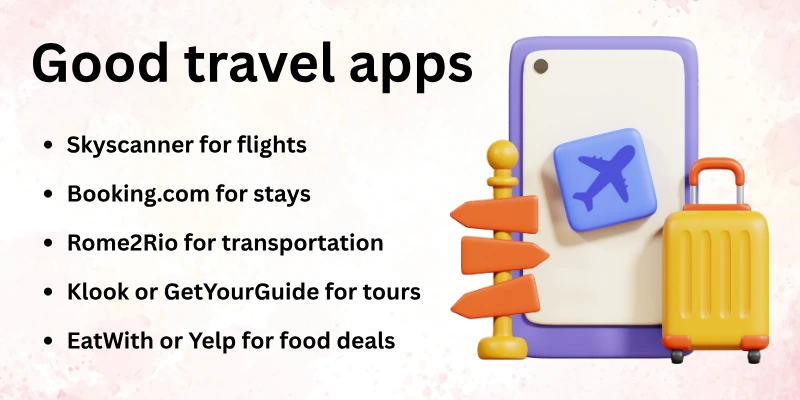
Good travel apps to consider:
- Skyscanner for flights
- Booking.com for stays
- Rome2Rio for transportation
- Klook or GetYourGuide for tours
- EatWith or Yelp for food deals
8. Avoid Excess Baggage
Extra baggage fees are one of the most common and frustrating hidden travel expenses. Packing light not only saves money but also makes your journey less stressful and more flexible. With fewer bags, you move faster, avoid extra charges, and find transportation easier. Always check airline baggage rules before packing to avoid surprise fees at the airport.
Packing smart checklist:
- Pack essentials only
- Use travel-size containers
- Layer clothes instead of packing heavy items
- Use packing cubes for organization
9. Look for Free Attractions
Many cities around the world offer free museums, historical sites, beaches, parks, cultural events, and walking tours. These experiences are often more authentic, less crowded, and deeply memorable. Attending local festivals or cultural events also gives you insights into traditions without spending much. Combining free attractions with occasional paid activities helps balance your travel budget.
Examples of free activities:
- Public museums with free entry days
- Beaches and nature parks
- Street festivals and local parades
- City walking tours
10. Carry Reusable Essentials
Reusable items help you avoid repeatedly buying water bottles, bags, or utensils, especially in expensive destinations. This is not only budget-friendly but also environmentally conscious. With small reusable items, you save money every single day of your trip. It’s a smart, long-term habit for frequent travelers.
Useful reusable items:
- Water bottle
- Shopping bag
- Travel utensils
- Mini towel
- Toiletry containers
Be Flexible With Plans
Flexibility often creates financial advantages. When you are rigid with dates, locations, or hotel types, you usually pay more. But when you stay open-minded, you find cheaper alternatives, better deals, and hidden gems. This mindset makes travel more enjoyable and less stressful financially.
Flexibility advantages:
- More choices in accommodation
- Lower travel costs
- Better flight prices
- More room for unexpected experiences
Final Note
In this guide, we have covered how to save money while travelling, from planning flights to eating smart and using helpful tools.
My personal recommendation is to focus on flexibility, early planning, and using local resources; these three strategies alone reduce travel expenses significantly. Now, let’s see some helpful FAQs to answer common concerns from budget travelers.
FAQs About Saving Money While Travelling
Here are some of the most commonly asked questions:
You can save money by booking early, comparing different booking platforms, or staying in hostels, homestays, or Airbnbs instead of hotels. Shared accommodations also reduce costs when travelling with friends or family. Staying outside city centers and using public transport further cuts expenses.
Yes, it is absolutely possible to travel internationally on a small budget. Many countries are affordable and offer cheap food, transport, and stays. Planning early, avoiding peak seasons, and using public transportation make international travel more budget-friendly.
Eating at local restaurants, street food stalls, and markets is cheaper than tourist-focused spots. You can also cook some meals if your stay offers kitchen access. Buying snacks and drinks from supermarkets instead of restaurants can save daily costs.
Yes, travel apps are incredibly helpful because they compare prices, provide discounts, and help with bookings. They also offer real user reviews that prevent you from overspending on bad services. Apps like Skyscanner, Booking.com, and Klook help with flights, stays, and tours. Deal apps turn expensive trips into affordable ones.
Travelling light saves money by avoiding baggage fees on flights. It also makes transportation easier since you don’t need large taxis or luggage storage. Packing only essentials prevents impulse buying during the trip. It is both financially and mentally refreshing.
Tourist traps are avoided by researching ahead, asking locals for recommendations, and reading reviews. Visiting places outside popular tourist zones offers better prices and more authentic experiences. Local neighborhoods often have cheaper food and activities. Apps and travel forums also help identify overpriced spots.
Generally, booking flights 2–3 months before domestic trips and 3–6 months before international trips yields the best prices. Early bookings give you more date options and better discounts. Last-minute flights are usually expensive unless it’s a rare sale. Using price alerts ensures you don’t miss deals.
Many cities offer free museums, walking tours, parks, beaches, cultural events, and historical sites. Some museums have free entry days or reduced prices during specific times. Exploring markets, neighborhoods, and viewpoints also costs nothing. Free activities add cultural depth without affecting your budget.
Tracking daily spending helps you control your budget and avoid overspending. Use travel apps or simple notes to record what you spend on food, transport, and attractions. Adjust activities if you exceed your daily limit. This habit keeps your entire trip financially balanced.
Off-season travel is one of the best strategies for budget travelers. Airlines and hotels offer lower prices due to less demand. Attractions are less crowded, making the experience more enjoyable and peaceful. With smart research on weather, off-season trips offer maximum value for less money.




- Be Respectful
- Stay Relevant
- Stay Positive
- True Feedback
- Encourage Discussion
- Avoid Spamming
- No Fake News
- Don't Copy-Paste
- No Personal Attacks
- Be Respectful
- Stay Relevant
- Stay Positive
- True Feedback
- Encourage Discussion
- Avoid Spamming
- No Fake News
- Don't Copy-Paste
- No Personal Attacks
