What Is Health Tourism & How It Works
Published: 21 Jun 2026
Travel is often associated with sightseeing and leisure, but for many people, it is also about improving health. But what is health tourism? Health tourism refers to travel undertaken to maintain, improve, or restore health and well-being.
It allows travelers to access medical treatments, wellness therapies, or preventive health programs in different destinations. Health tourism can include medical procedures, spa retreats, rehabilitation, or holistic wellness experiences.
In this detailed guide, you will learn everything about health tourism, its types, benefits, challenges, and planning tips, all in simple, easy-to-read language.
What Is Health Tourism?
What is health tourism? It is travel primarily aimed at enhancing physical, mental, or emotional health. Unlike leisure travel, the main goal is well-being rather than recreation.
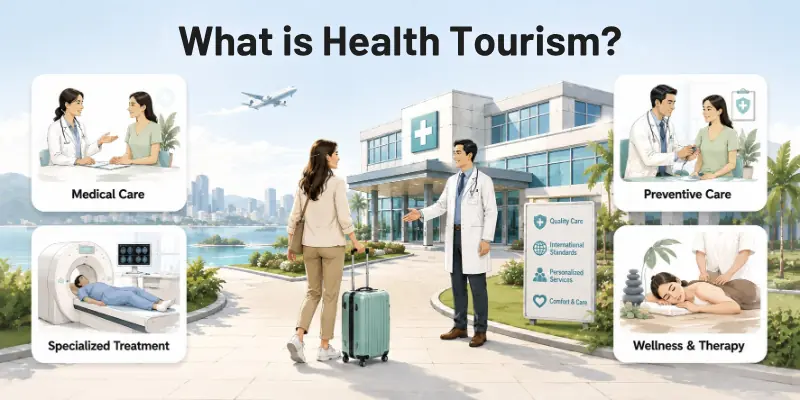
Health tourism can include medical treatment, cosmetic procedures, preventive care, wellness retreats, or alternative therapies. Travelers often seek high-quality care, affordable treatments, or specialized therapies not available in their home country.
This type of tourism also supports economic growth in healthcare, wellness centers, and associated services in host countries.
Types of Health Tourism
Health tourism can be divided into several categories depending on the purpose of travel.
1: Medical Tourism: Traveling abroad to receive medical treatments such as surgeries, dental procedures, or specialized care. Examples include heart surgery, orthopedic procedures, or cosmetic surgery in countries with advanced healthcare systems.
2: Wellness Tourism: Trips focused on relaxation, stress reduction, and preventive health. Examples include spa vacations, yoga retreats, meditation centers, and holistic therapies.
3: Rehabilitation Tourism: Travel for recovery after illness, injury, or surgery. This can include physiotherapy, post-operative care, or rehabilitation programs at specialized centers.
4: Dental Tourism: Travelers seek affordable or advanced dental treatments abroad, such as implants, braces, or cosmetic procedures.
5: Alternative and Traditional Therapy Tourism: Visiting destinations for traditional or complementary medicine practices such as Ayurveda, acupuncture, naturopathy, or herbal therapies.
6: Preventive Health Tourism: Traveling for health check-ups, screenings, vaccinations, or preventive care programs.
Benefits of Health Tourism
Health tourism provides physical, emotional, and economic benefits.
- Improves physical health through advanced medical care or therapies.
- Supports mental well-being through relaxation and stress reduction.
- Provides access to treatments not available locally.
- Offers cost-effective medical and dental procedures abroad.
- Encourages preventive healthcare and healthy lifestyles.
- Supports local healthcare and wellness industries economically.
- Introduces travelers to holistic and alternative therapies.
- Reduces recovery time with specialized rehabilitation programs.
- Promotes global standards in healthcare and wellness.
- Enhances overall quality of life and personal well-being.
Challenges of Health Tourism
Health tourism also faces certain challenges.
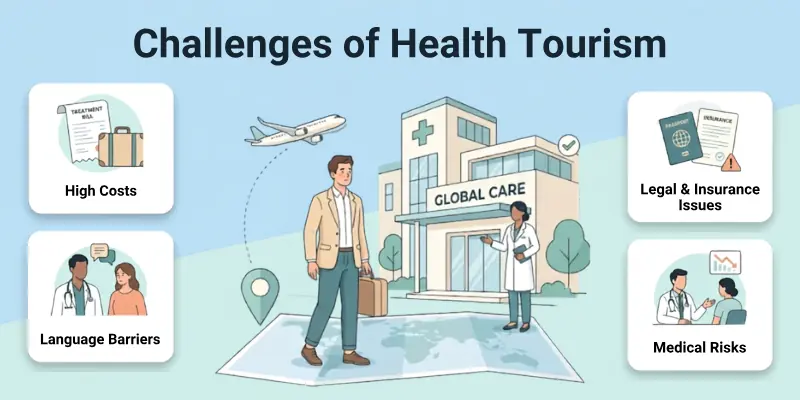
- Travel costs, accommodation, and treatment expenses can be high.
- Medical risks and quality variations may exist in different countries.
- Language barriers can make communication with healthcare providers difficult.
- Legal and insurance issues may complicate treatment abroad.
- Health emergencies or complications during travel can be challenging.
- Cultural differences in treatment approaches may affect comfort.
- Ethical concerns regarding certain medical procedures.
Popular Health Tourism Destinations
Some destinations are popular for specific types of health tourism.
- Thailand – Known for wellness retreats and spa therapies.
- India – Famous for Ayurveda, yoga, and traditional medicine.
- Germany – Advanced medical care and rehabilitation.
- Turkey – Affordable cosmetic and dental surgeries.
- Costa Rica – Wellness resorts and medical procedures.
- South Korea – High-quality cosmetic surgery and skincare treatments.
How to Plan a Health Tourism Trip
Proper planning ensures safe and effective outcomes.
- Research the destination’s healthcare and wellness standards.
- Choose accredited hospitals, clinics, or wellness centers.
- Confirm costs, procedures, and duration of treatment or program.
- Check visa, travel, and insurance requirements.
- Consult your doctor about suitability and medical history.
- Plan accommodations, transport, and post-treatment care.
- Respect local customs and follow medical advice carefully.
Difference Between Health Tourism and Leisure Tourism
While both involve travel, their focus differs.
- Health tourism focuses on well-being, treatment, or recovery.
- Leisure tourism focuses on relaxation, sightseeing, and entertainment.
- Health tourism may involve procedures, therapies, or medical check-ups.
- Leisure tourism primarily includes recreational activities and fun.
- Health tourism emphasizes safety, health outcomes, and recovery.
Future of Health Tourism
Health tourism is expected to grow due to increasing demand for quality healthcare and wellness experiences.
- Affordable and high-quality medical services abroad attract international patients.
- Wellness tourism is rising as people seek preventive and holistic care.
- Technology and telemedicine improve planning and follow-up care.
- Sustainable wellness resorts and eco-friendly medical tourism are emerging.
- Countries are investing in healthcare infrastructure to attract global patients.
Final Thoughts
In this guide, we have clearly explained what is health tourism and why it is important. Health tourism is about improving physical, mental, and emotional well-being while traveling.
It combines quality medical care, wellness experiences, and preventive health practices. By planning responsibly and choosing reliable providers, travelers can benefit from effective treatments, relaxation, and personal growth. Health tourism allows you to travel with a purpose: to heal, rejuvenate, and improve your overall quality of life.
FAQs About Health Tourism
Here are some of the most commonly asked questions related to what is health tourism:
Health tourism means traveling to improve or maintain health. It can include medical treatments, wellness retreats, dental care, or rehabilitation programs. The main goal is well-being, not recreation.
Examples include heart surgery in Germany, spa and yoga retreats in Thailand, cosmetic surgery in South Korea, Ayurveda treatments in India, and wellness resorts in Costa Rica.
Patients needing medical procedures, people seeking wellness and relaxation, or those needing rehabilitation can benefit. Both domestic and international travelers participate.
Costs vary depending on the treatment or program. Some medical procedures abroad are more affordable than at home. Wellness and spa retreats may range from moderate to luxury pricing.
It supports hospitals, wellness resorts, hotels, and transport services. It creates employment opportunities and encourages global recognition of local healthcare services.
Safety depends on selecting accredited hospitals and experienced practitioners. Travelers should research, consult doctors, and follow medical advice. Certification and international standards improve safety.
Yes, many travelers combine treatments with sightseeing or wellness vacations. For example, a medical procedure followed by a spa or cultural tour.
Research hospitals or wellness centers, confirm costs and procedures, consult your doctor, plan accommodations and transport, and ensure insurance coverage. Follow medical advice carefully.






- Be Respectful
- Stay Relevant
- Stay Positive
- True Feedback
- Encourage Discussion
- Avoid Spamming
- No Fake News
- Don't Copy-Paste
- No Personal Attacks
- Be Respectful
- Stay Relevant
- Stay Positive
- True Feedback
- Encourage Discussion
- Avoid Spamming
- No Fake News
- Don't Copy-Paste
- No Personal Attacks
