What Is Adventure Tourism: Types, Benefits, Activities & Planning Guide
Published: 13 Jun 2026
Adventure tourism is a fast-growing segment of the travel industry that focuses on exciting, physically active, and sometimes challenging experiences. Unlike regular vacations that focus mainly on relaxation, adventure tourism combines exploration, outdoor activities, and personal challenges.
Travelers who choose adventure tourism look for unique experiences such as trekking in mountains, diving in oceans, or exploring remote landscapes. It often includes interaction with nature, local cultures, and unfamiliar environments.
In this guide, we will explain what is adventure tourism, its types, benefits, activities, challenges, planning strategies, and future trends. This guide is detailed, simple to read, and structured for easy understanding.
What Is Adventure Tourism?
Adventure tourism is a type of tourism that involves travel to natural or unique destinations where travelers participate in physically engaging and sometimes risky activities. It combines excitement, exploration, and personal growth.

Key features of adventure tourism include:
- Physical activity involvement; Adventure tourism requires active participation such as hiking, rafting, or climbing.
- Natural environment focus: Most adventure tourism activities take place in mountains, forests, rivers, deserts, or oceans.
- Cultural interaction: Travelers often engage with local communities and traditions during the journey.
- Perceived risk element: Activities include some level of thrill or challenge but are managed with safety measures.
- Personal development: Adventure tourism builds confidence, resilience, and problem-solving skills.
In simple words, adventure tourism combines travel, excitement, and exploration while pushing individuals beyond their comfort zones.
Types of Adventure Tourism
Adventure tourism can be divided into soft adventure and hard adventure categories.
1. Soft Adventure Tourism
Soft adventure includes low-risk activities suitable for beginners and families.
- Nature walks involve guided exploration of forests, parks, or countryside areas.
- Wildlife safaris allow travelers to observe animals in their natural habitat safely.
- Camping trips provide outdoor stays with moderate physical effort.
- Cycling tours offer scenic exploration without extreme difficulty.
- Kayaking on calm waters gives mild excitement with safety supervision.
2. Hard Adventure Tourism
Hard adventure includes physically demanding and higher-risk activities requiring training or experience.
- Mountaineering involves climbing high-altitude mountains with professional guidance.
- White-water rafting challenges participants with fast river currents.
- Scuba diving explores deep underwater ecosystems and marine life.
- Rock climbing tests strength, endurance, and technical skills.
- Skydiving provides high-adrenaline aerial experiences from aircraft.
Benefits of Adventure Tourism
Adventure tourism offers multiple physical, mental, and social advantages.
- Improves physical health: Activities promote strength, endurance, and overall fitness.
- Boosts mental well-being: Exposure to nature reduces stress and anxiety levels.
- Builds confidence: Overcoming challenges increases self-belief and courage.
- Encourages teamwork: Group adventures strengthen cooperation and communication skills.
- Promotes environmental awareness: Travelers develop appreciation for nature conservation.
- Supports local economies: Guides, hotels, and communities benefit financially.
- Enhances problem-solving skills: Unexpected situations improve decision-making ability.
- Creates lasting memories: Unique experiences stay memorable for a lifetime.
- Breaks routine lifestyle: Adventure tourism provides escape from daily stress.
- Develops resilience: Facing physical and mental challenges builds emotional strength.
- Increases cultural understanding: Interaction with locals promotes cultural respect.
- Encourages healthy lifestyle habits: Active travel motivates ongoing physical activity.
- Stimulates adrenaline: Thrill-based activities provide excitement and energy.
- Improves adaptability: Travel challenges increase flexibility and open-mindedness.
- Offers educational value: Learning survival skills and nature knowledge adds value to travel.
Popular Adventure Tourism Activities
Adventure tourism includes a wide variety of exciting activities worldwide.
- Trekking allows travelers to explore mountain trails and scenic landscapes.
- Scuba diving provides underwater exploration of coral reefs and marine life.
- Paragliding offers aerial views while gliding through the sky safely.
- River rafting combines teamwork and excitement in fast-flowing waters.
- Desert safaris include dune bashing and cultural desert experiences.
- Jungle expeditions provide wildlife observation and nature exploration.
- Snow sports include skiing and snowboarding in winter destinations.
- Bungee jumping delivers short-duration extreme thrill experiences.
- Surfing challenges balance and skill in ocean waves.
- Zip-lining gives safe high-speed movement across natural landscapes.
- Mountain biking tests endurance on rugged terrain trails.
- Ice climbing requires special equipment and training in cold regions.
- Caving allows exploration of underground cave systems.
- Hot air ballooning offers peaceful adventure with panoramic views.
- Adventure cruises combine water travel with exploration activities.
Challenges of Adventure Tourism
Although exciting, adventure tourism also presents certain challenges.
- Risk of injury: Physical activities may cause accidents without proper safety measures.
- Weather dependency: Extreme weather can disrupt planned activities.
- High costs: Specialized equipment and guides may increase expenses.
- Physical requirements: Some activities require good health and stamina.
- Environmental impact: Poor practices may harm natural ecosystems.
- Safety concerns: Inexperienced operators can increase risk levels.
- Accessibility issues: Remote destinations may lack infrastructure.
- Travel insurance needs: Specialized coverage is often necessary.
- Equipment maintenance: Quality gear is essential for safety.
- Psychological readiness: Fear management is important for high-adrenaline activities.
How to Plan an Adventure Tourism Trip
Here is how you can plan an adventure tourism trip:
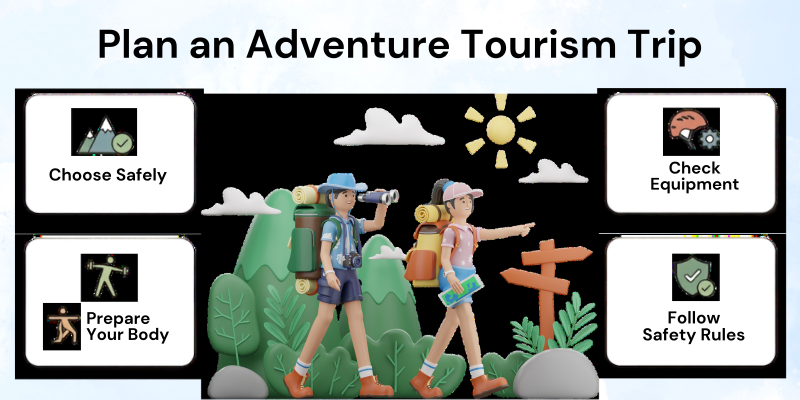
- Choose activities based on your fitness level and experience.
- Research destinations for safety, weather, and seasonal suitability.
- Hire certified and experienced guides or operators.
- Check and test all equipment before participation.
- Purchase comprehensive travel and adventure insurance.
- Train physically before high-intensity adventures.
- Follow safety instructions strictly during activities.
- Respect local communities and natural environments.
- Prepare for emergencies with first-aid knowledge.
- Plan rest periods to avoid exhaustion or burnout.
Future of Adventure Tourism
Adventure tourism is growing rapidly worldwide due to increasing demand for active and meaningful travel experiences.
- Sustainable adventure tourism is becoming more important to protect natural resources.
- Technology such as GPS and wearable devices improves safety and navigation.
- Eco-adventure packages are gaining popularity among environmentally conscious travelers.
- Remote destinations are becoming more accessible with improved infrastructure.
- Wellness and adventure combinations are attracting health-focused travelers.
- Youth and solo travel trends are increasing interest in adventure experiences.
- Digital marketing and social media continue to promote adventure destinations globally.
Adventure tourism is expected to continue expanding as travelers seek unique, active, and transformative journeys.
Final Thoughts
In this guide we have covered what is adventure tourism with great detail. Adventure tourism combines travel, excitement, nature, and personal growth into one powerful experience. It allows travelers to challenge themselves, explore new environments, and create unforgettable memories.
I personally believe adventure tourism is more than thrill-seeking. It is about discovering your strength, connecting with nature, and learning from different cultures. When planned carefully and practiced responsibly, adventure tourism becomes safe, meaningful, and life-changing.
FAQs About Adventure Tourism
Here are some of the most commonly asked questions related to what is adventure tourism:
Adventure tourism is a type of travel that involves exciting and physically engaging activities in natural or unique environments. It combines exploration, challenge, and interaction with nature.
Examples include trekking, scuba diving, rafting, mountaineering, paragliding, skiing, jungle safaris, and desert expeditions. These activities provide thrill and exploration opportunities.
Adventure tourism is safe when proper precautions, trained guides, and certified operators are involved. Following safety instructions and using quality equipment reduces risks significantly.
Adventure tourism is suitable for individuals of different age groups depending on the activity. Some activities are beginner-friendly while others require physical fitness and training.
Adventure travel refers to individual travel experiences involving adventure activities. Adventure tourism is a broader industry that organizes and promotes adventure-based travel experiences commercially.
You should train physically, research destinations, choose certified operators, and obtain travel insurance. Preparation improves safety and enjoyment.
Costs vary depending on destination, activity, equipment, and accommodation. Some soft adventures are affordable, while extreme adventures may be more costly.
Yes, soft adventure activities like nature walks, camping, and safaris are suitable for families. Hard adventure activities may require age and fitness considerations.
Adventure tourism improves fitness, builds confidence, reduces stress, enhances cultural understanding, and creates lasting memories.
Adventure tourism will continue growing with focus on sustainability, safety technology, and eco-friendly experiences. More travelers are choosing active and immersive travel options.






- Be Respectful
- Stay Relevant
- Stay Positive
- True Feedback
- Encourage Discussion
- Avoid Spamming
- No Fake News
- Don't Copy-Paste
- No Personal Attacks
- Be Respectful
- Stay Relevant
- Stay Positive
- True Feedback
- Encourage Discussion
- Avoid Spamming
- No Fake News
- Don't Copy-Paste
- No Personal Attacks
